 Sphere Space Design
Saudi Hotel Design: Preparing for Project Communication
Published by Sphere Space Design
zeusnee@77sphere.com · WhatsAppThis article focuses on the key considerations for project communication in Saudi hotel design, from problem identification, design considerations to client preparation, providing clear communication guidance for owners to ensure the smooth progress of the project.

Core Issues to Clarify Before Starting a Saudi Hotel Design Project
Before initiating a Saudi hotel design project, the owner must clearly define the project positioning, operational goals, and usage requirements, while also understanding the regional culture and property conditions. This information directly influences the design direction and spatial layout. Additionally, it is necessary to confirm the budget range and subsequent maintenance needs to ensure the design solution aligns with actual operations and enhances guest experience. Clarifying these key points helps the design team accurately grasp the project core, avoiding excessive communication costs later on. Thorough preparation before communication is the foundation for project success. In the Saudi market, cultural sensitivity and functional integration are particularly important, so the completeness of preliminary information directly affects design quality.
Judging Criteria for Design Considerations and Trade-offs
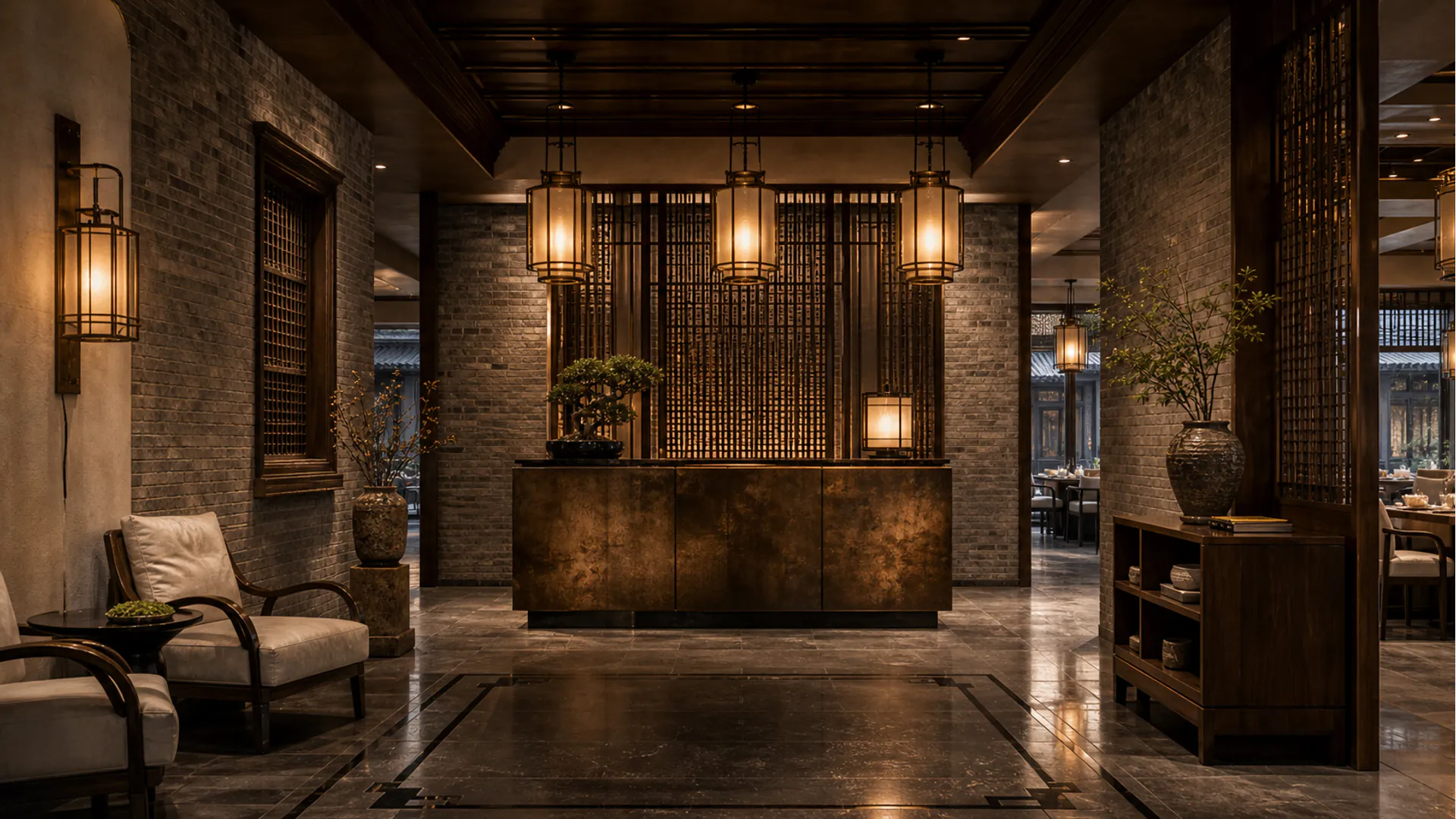
Hotel design must balance guest experience, public spaces, room layouts, and service flow, as these elements influence each other and require trade-offs based on priorities. For example, enhancing guest experience may require increasing the area of public spaces, but it must balance the budget and property conditions. The design team will combine brand identity, spatial experience, and usage requirements to develop a reasonable layout plan. At the same time, lighting design and soft furnishing should align with the overall style, ensuring visual unity and functional practicality. In the Saudi market, design also needs to consider regional cultural characteristics, making the space both modern and culturally recognized. The judgment criteria lie in the balance between project goals and actual conditions, ensuring the design is both aesthetically pleasing and practical.
Preparation Matters and Service Implementation Methods for Clients
Clients need to provide complete requirement documents before the project starts, including project positioning, budget range, usage functions, and cultural preferences. At the same time, clearly define the design phase outcomes and collaboration process to ensure transparency and efficient communication. During the service implementation process, the design team will output results in stages, such as concept schemes, detailed design, and construction drawings, ensuring each step meets the client's expectations. The service delivery boundaries are clear, including design drawings, furnishing suggestions, and post-construction maintenance recommendations, helping clients fully control the project progress. Through clear preparation matters and service processes, clients can more efficiently participate in the design process, ensuring the final outcome meets expectations.