 Sphere Space Design
Office Space Design for Saudi Enterprises: Understanding Design Through User Experience
Published by Sphere Space Design
zeusnee@77sphere.com · WhatsAppThis article explores the core logic of office space design for Saudi enterprises, analyzing how design meets the balance between enterprise needs and spatial expressiveness, providing practical references for decision-makers.
Challenges and Core Issues in Office Space Design
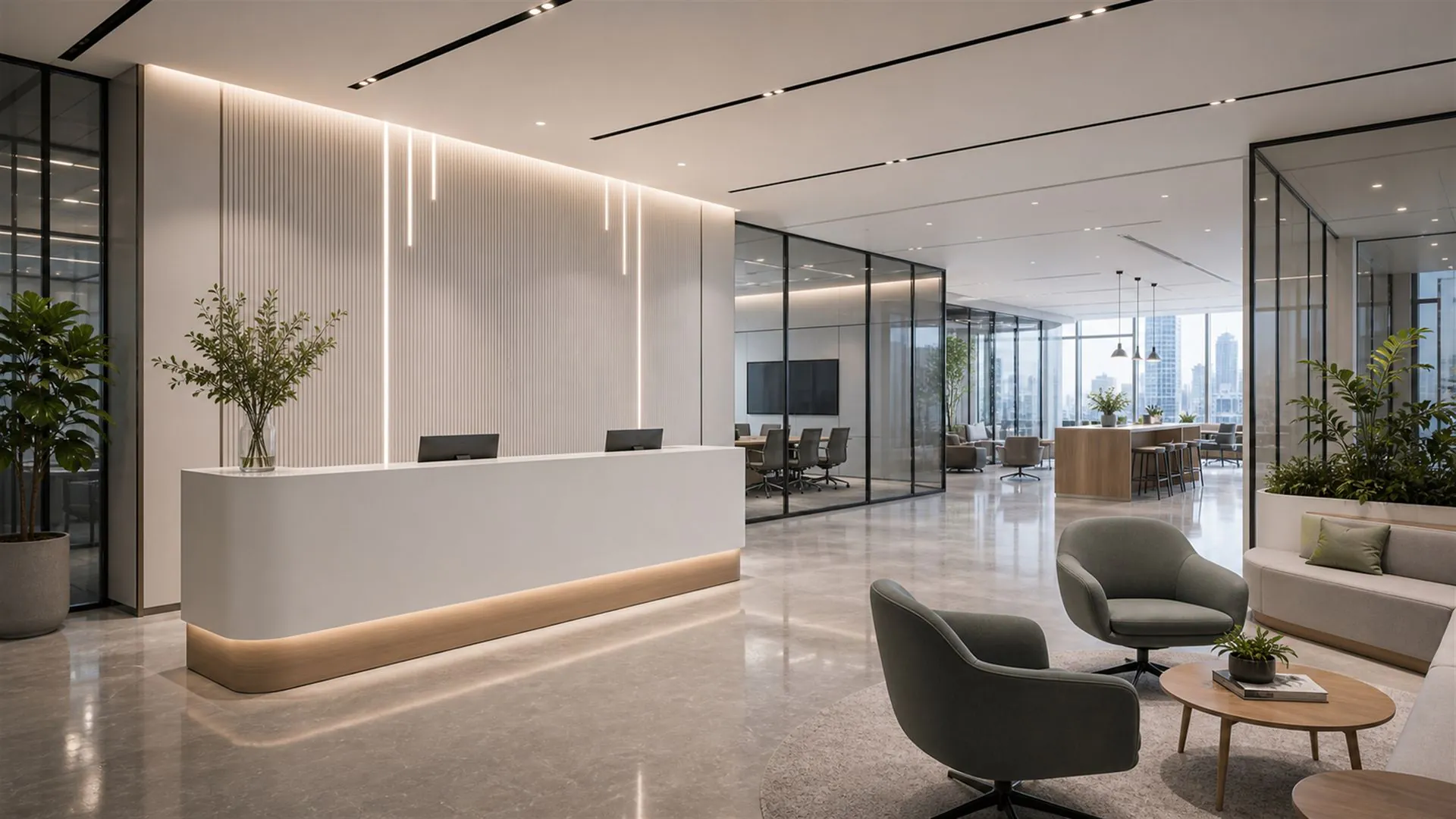
In the Saudi market, enterprise office space design faces multidimensional challenges, including cultural differences, coordination between functional needs and spatial expressiveness. Enterprises need to clearly define their positioning, such as whether they prioritize team collaboration, visitor reception, or a focused work environment. They must also understand how design elements like layout, lighting, and materials enhance spatial user experience. Design is not only an expression of aesthetics but also a comprehensive representation of corporate image and operational efficiency. Therefore, during the design phase, enterprises need to clearly communicate usage scenarios, functional needs, and brand tone to ensure the design direction aligns with actual usage requirements.
Design Logic: Systematic Consideration from Needs to Experience
The design process at Sphere Space Design starts with needs analysis and spatial strategy, gradually building a conceptual direction. We combine regional culture, project positioning, and usage goals to comprehensively consider layout, materials, lighting, and furnishings, ensuring the space meets functional needs while conveying brand value. For example, in office spaces, we focus on the rationality of functional zoning, such as the division between open office areas and private meeting areas, as well as the impact of lighting systems on focus and comfort. Additionally, design must consider maintenance and usage costs, ensuring long-term value and sustainability of the space.
Preparations and Service Boundaries Enterprises Can Implement
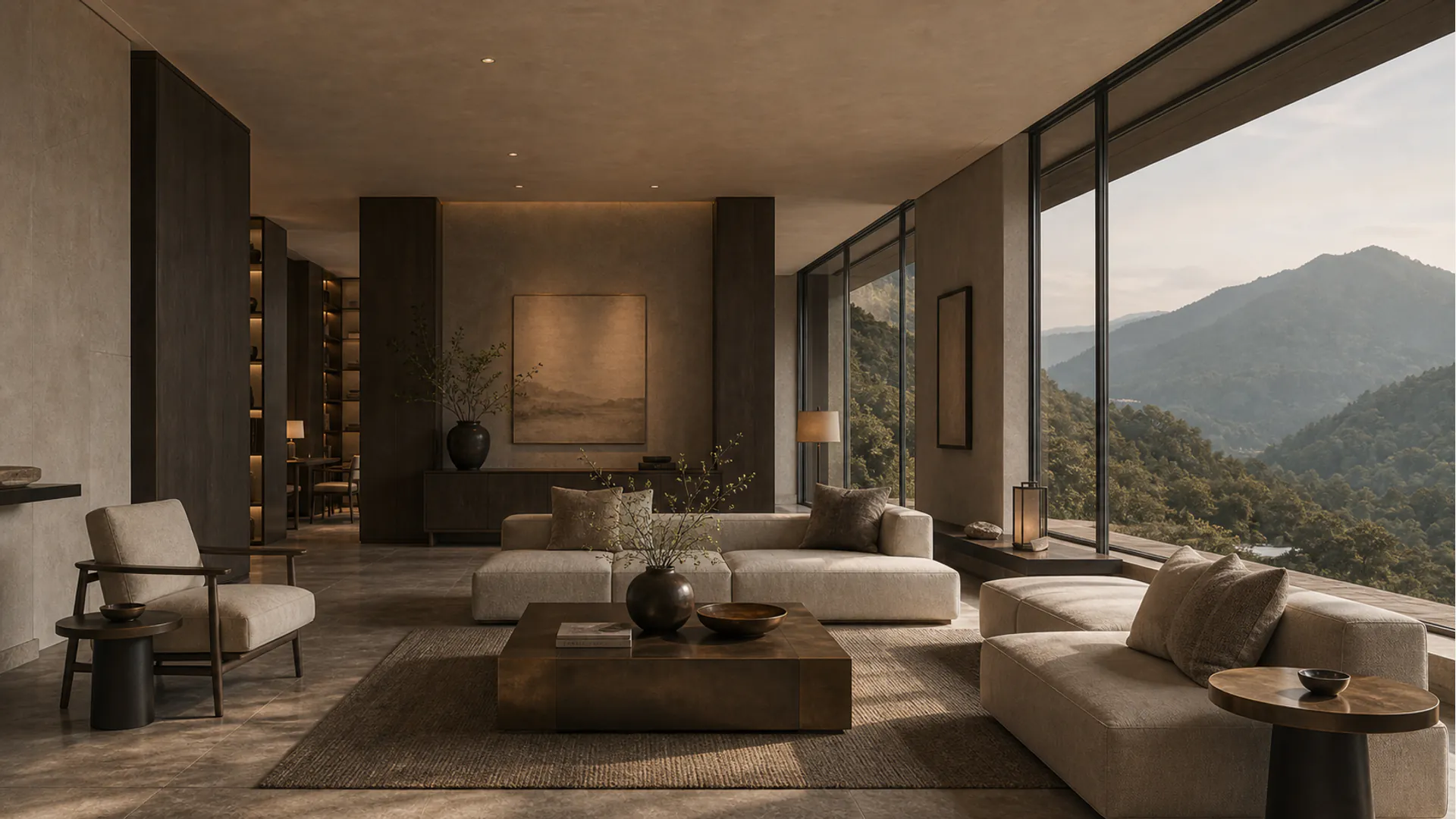
Before initiating office space design, enterprises should clearly define their needs, including space usage, budget range, brand tone, and user characteristics. They should also maintain communication with the design team, providing necessary information such as site conditions, functional requirements, and brand details. The design process includes needs analysis, concept development, detailed design, and construction coordination, ultimately delivering a complete space design solution and execution standards. Enterprises should clearly define service boundaries to avoid unrealistic expectations or vague requirements, ensuring the design results align with actual usage goals. The final delivery is a space solution that meets enterprise needs, offering both practicality and aesthetic value.