 Sphere Space Design
Interior Design of Hotels in the UAE: Understanding Design Through User Experience
Published by Sphere Space Design
zeusnee@77sphere.com · WhatsAppThis article explains how interior design of hotels in the UAE enhances spatial value through user experience, covering design considerations, execution preparation, and service boundaries, helping clients understand the deeper relationship between design and experience.
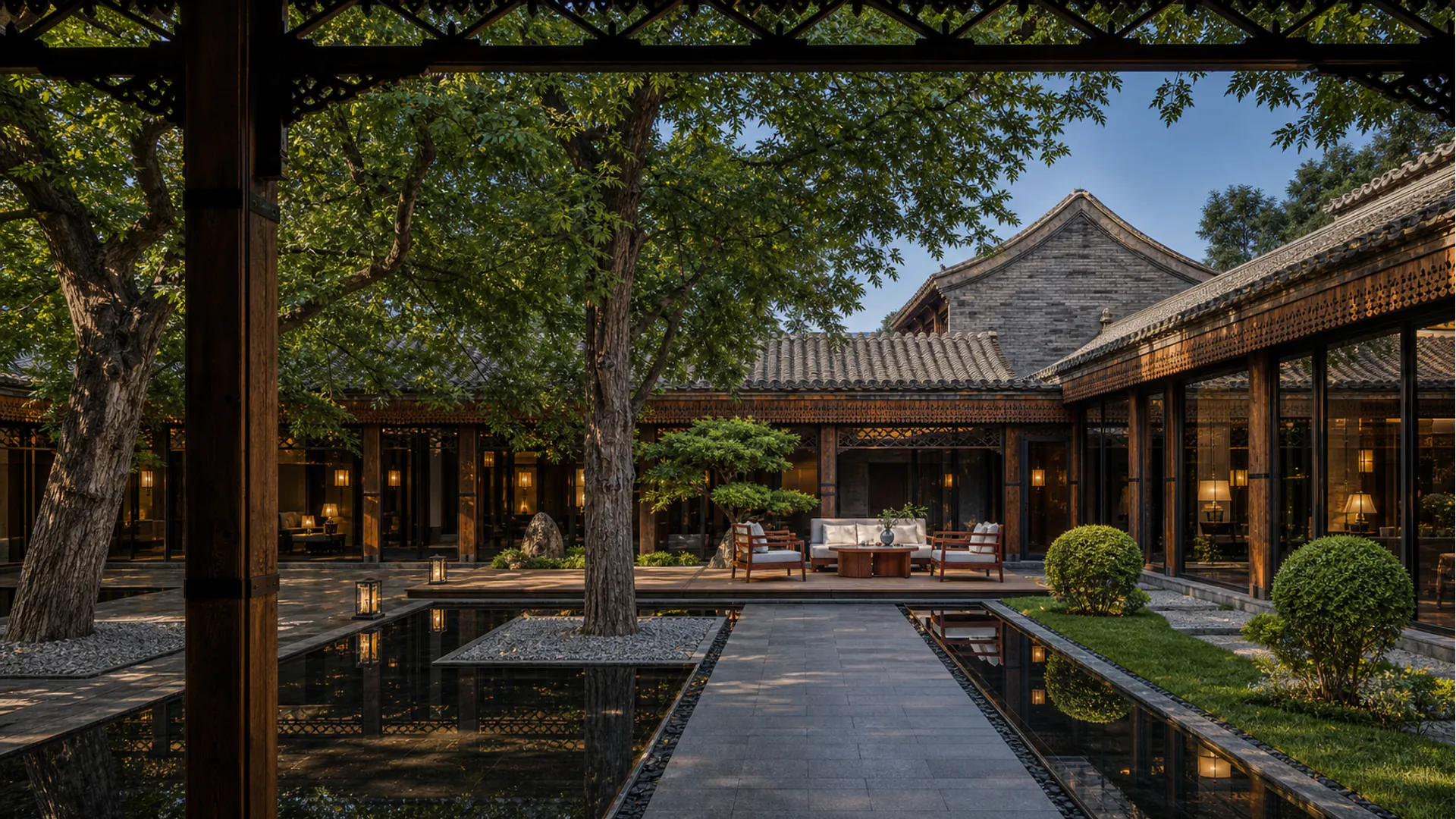
Why Should Hotel Interior Design Start with User Experience?
In the UAE, hotel interior design is not just a combination of aesthetics and functionality; it also requires a deep understanding of guests' usage scenarios and experience needs. From the moment guests arrive, the layout, lighting, materials, and furnishings will influence their overall experience. Therefore, design must be centered on user experience, ensuring every detail meets practical needs and enhances guest satisfaction and brand reputation. Clients should clearly define usage scenarios, target audience, and budget constraints at the design stage to enable the design team to accurately determine the direction of the scheme. Additionally, regional culture and market trends should be considered to ensure the design aligns with local aesthetics and attracts the target audience.
How to Determine Design Direction and Execution Priorities?
The selection of design direction should be based on a comprehensive judgment of project positioning, usage needs, and market goals. For example, hotel design needs to balance guest experience, public space layout, and service flow, ensuring smoothness and comfort; while restaurant design should focus on brand expression, dining atmosphere, and seating organization to enhance the overall dining experience. During execution, functional and sustainable considerations should be prioritized, such as selecting easily maintainable materials and reasonably planning spatial flow to reduce maintenance costs in the long term. At the same time, the design team should maintain close communication with clients, adjusting the scheme according to actual feedback to ensure the final result meets expected goals.
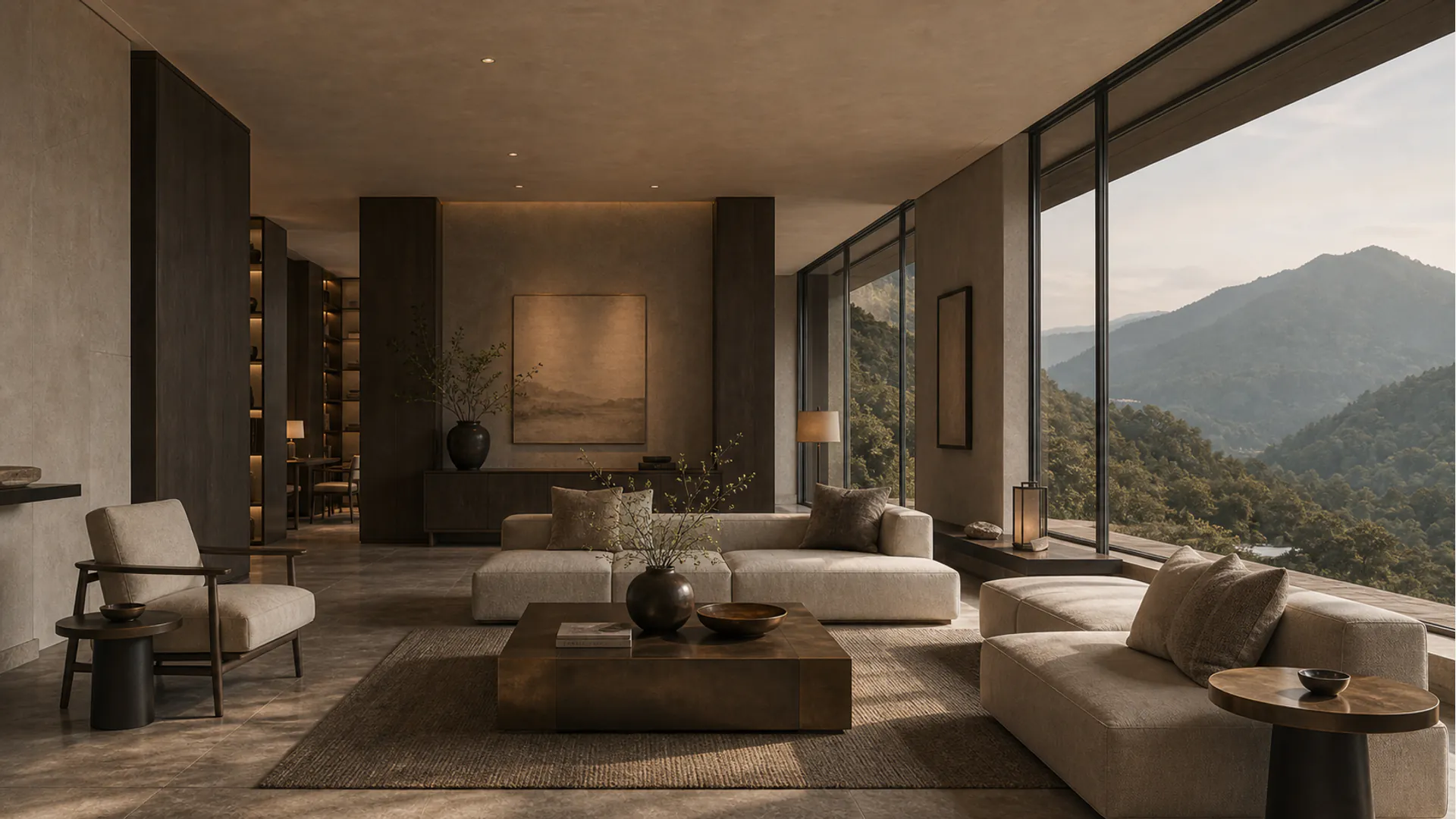
How Should Clients Prepare and Advance the Design Project?
Before initiating a design project, clients should clearly define project goals, budget range, and timeframes, and provide necessary information such as the current site condition, usage needs, and brand philosophy. The design team will conduct a needs analysis and space strategy formulation based on this information, gradually forming a conceptual direction and design proposal. Throughout the process, clients should actively participate in reviews and feedback at each stage to ensure the design direction aligns with actual needs. Finally, the design delivery will include complete scheme drawings, material lists, and construction guidance, ensuring the project is smoothly implemented. The entire process emphasizes transparent communication and collaboration to maximize spatial value.