
Design insight
Restaurant Design in Riyadh: How to Clarify Project Requirements
This article focuses on the process of clarifying requirements for a restaurant design project in Riyadh, discussing how to systematically analyze project needs from aspects such as brand expression, dining atmosphere, seating organization, and the relationship between front and back areas. By defining objectives, uncovering user needs, and integrating regional culture, it provides clear direction and strategies for restaurant design.
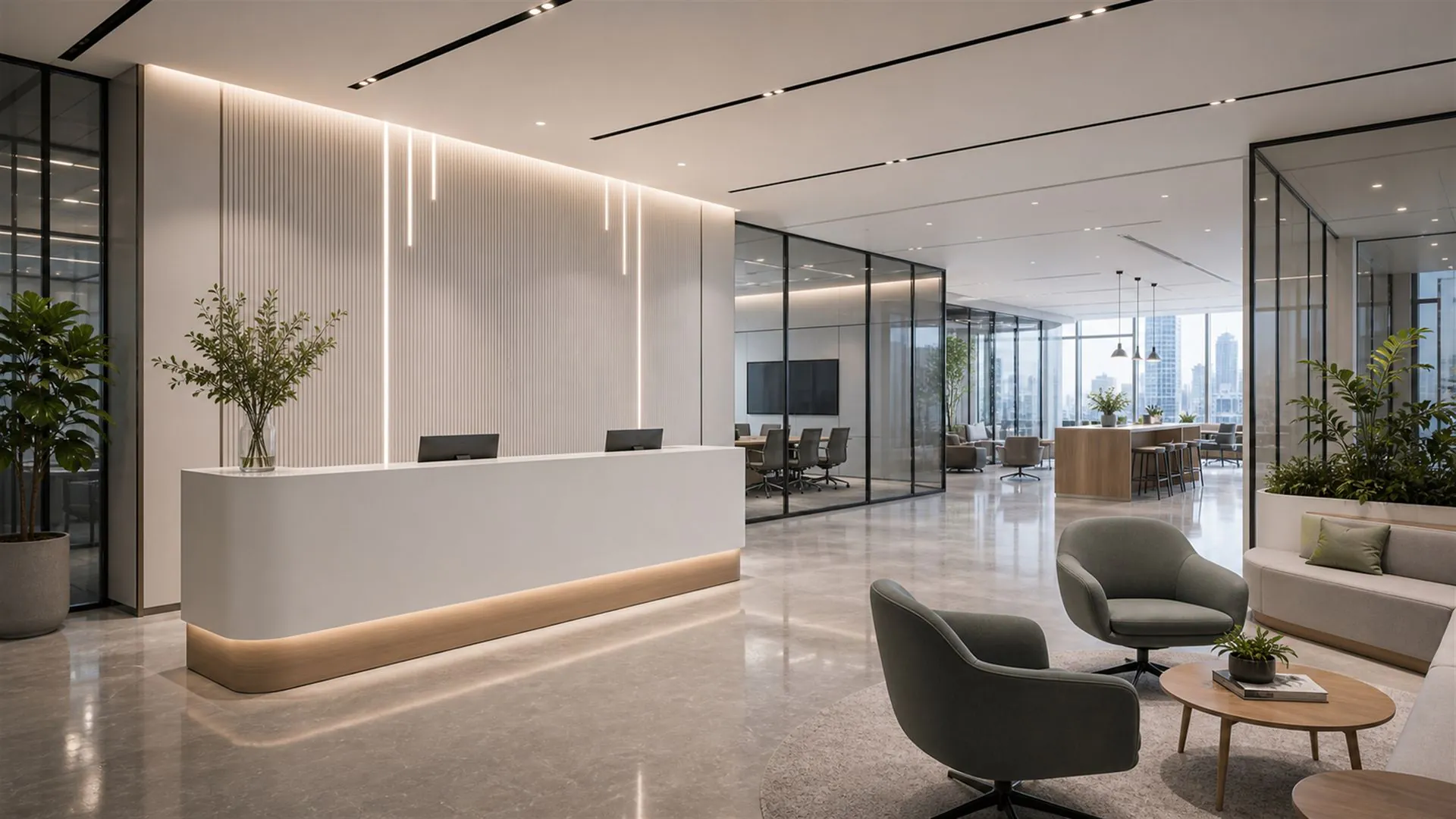
Clarify Project Positioning and Business Objectives
In a restaurant design project in Riyadh, the first step is to clearly define the project's positioning and business objectives. This includes the target customer group, expected consumption level, brand tone, and market competitiveness. Through in-depth communication with the owner, understanding their brand philosophy and market strategy can provide clear guidance for subsequent design directions. At the same time, it is also necessary to consider the local market environment and cultural background to ensure that the design proposal meets local aesthetics and attracts the target audience.
Uncover User Needs and Spatial Functions
The core of restaurant design lies in meeting users' practical needs, so it is essential to carefully analyze key elements such as dining experience, seating layout, and the flow between front and back areas. By researching the consumption habits and preferences of the target user group, combined with the restaurant's operational model, a spatial layout that meets actual needs can be designed. At the same time, it is also necessary to consider spatial functional zoning to ensure the efficiency of each area and the continuity of the user experience.
Integrate Regional Culture and Design Expression
Riyadh, as an important city in Saudi Arabia, has a unique regional culture and aesthetic style. In restaurant design, it is essential to fully incorporate local cultural elements, such as architectural style, color coordination, and decorative details, to make the space more regionally distinctive and brand-identifiable. At the same time, through reasonable lighting design and soft furnishing coordination, the overall atmosphere and texture of the space can be enhanced, creating a dining environment that aligns with the brand's tone.